Problems That Don’t Have to Be Problems: A Midnight at Piedmont Henry
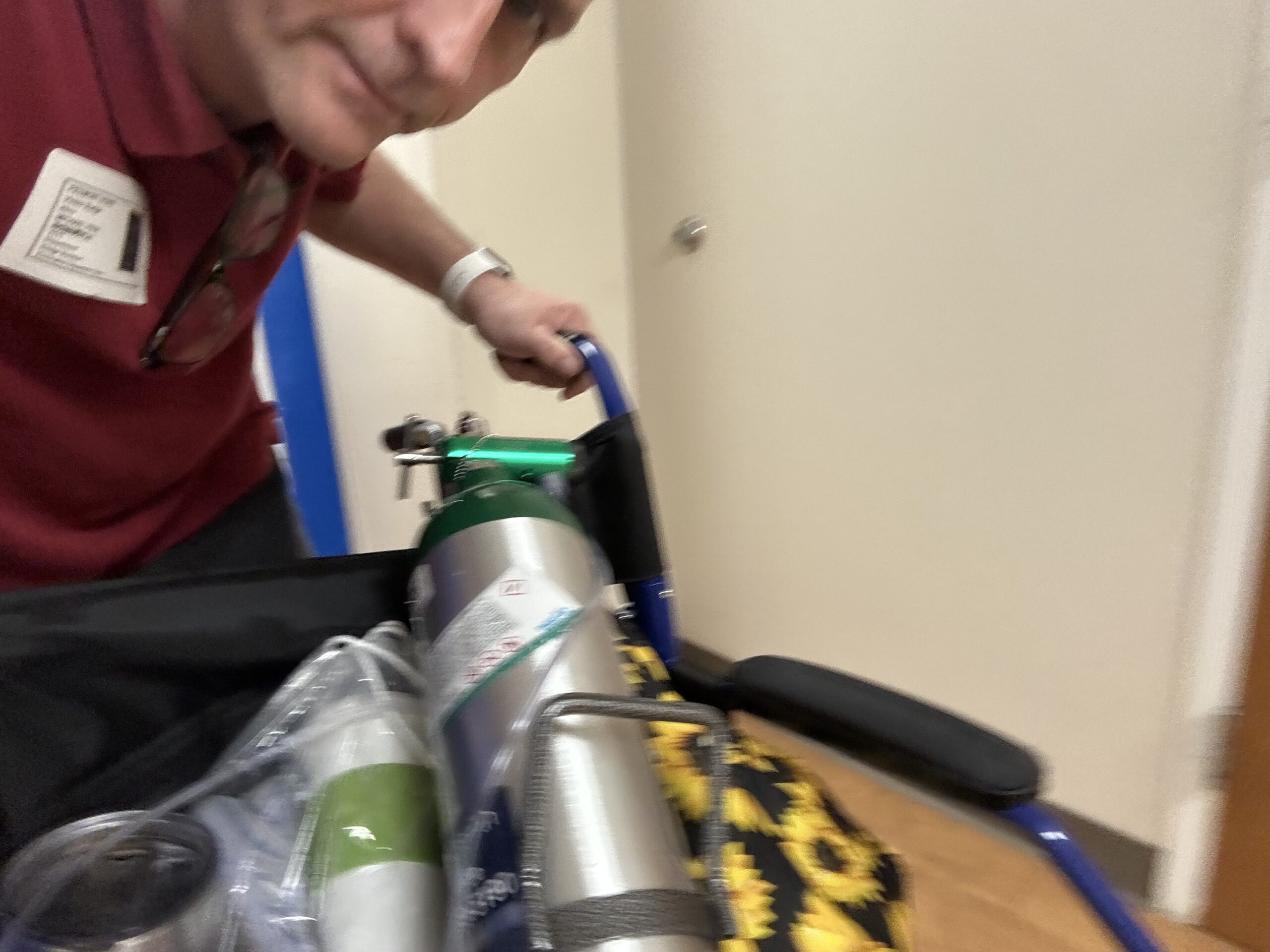
It’s midnight. I’m rolling an oxygen tank on a dolly, balanced on a wheelchair, down a hospital hallway. Third room since 1:00pm. My wife is in the chair. I haven’t slept in 36 hours. I have deliverables due tomorrow that I will miss — one of them for the third time.
This is not a tragedy post. This is a this doesn’t have to be this hard post.
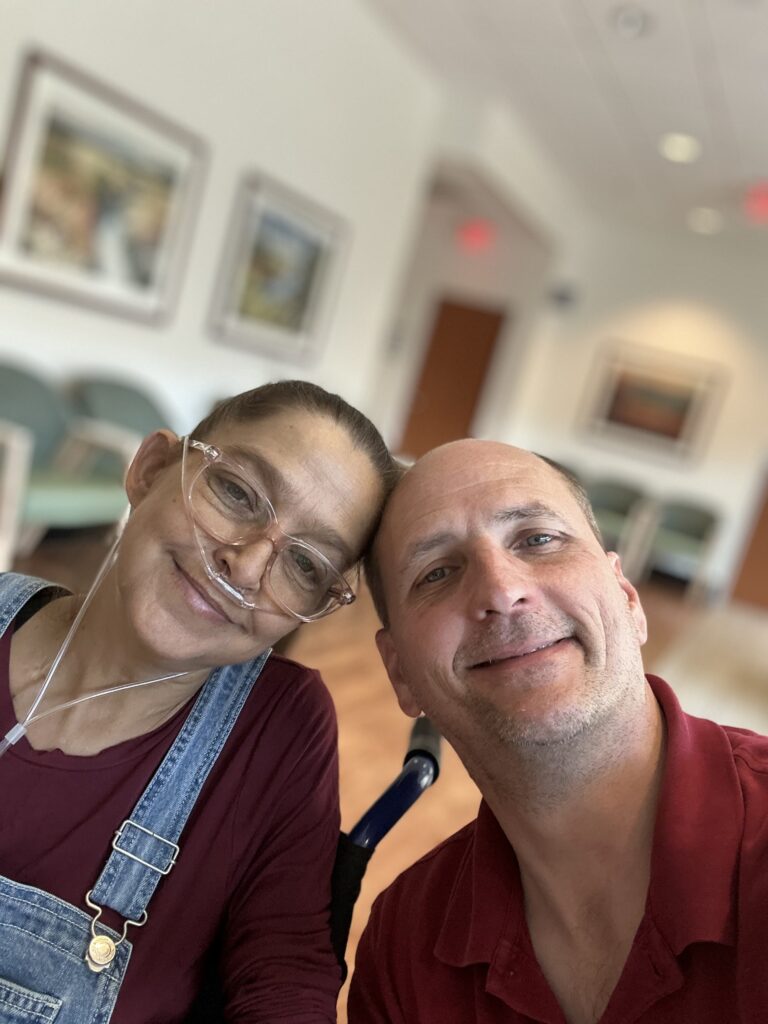
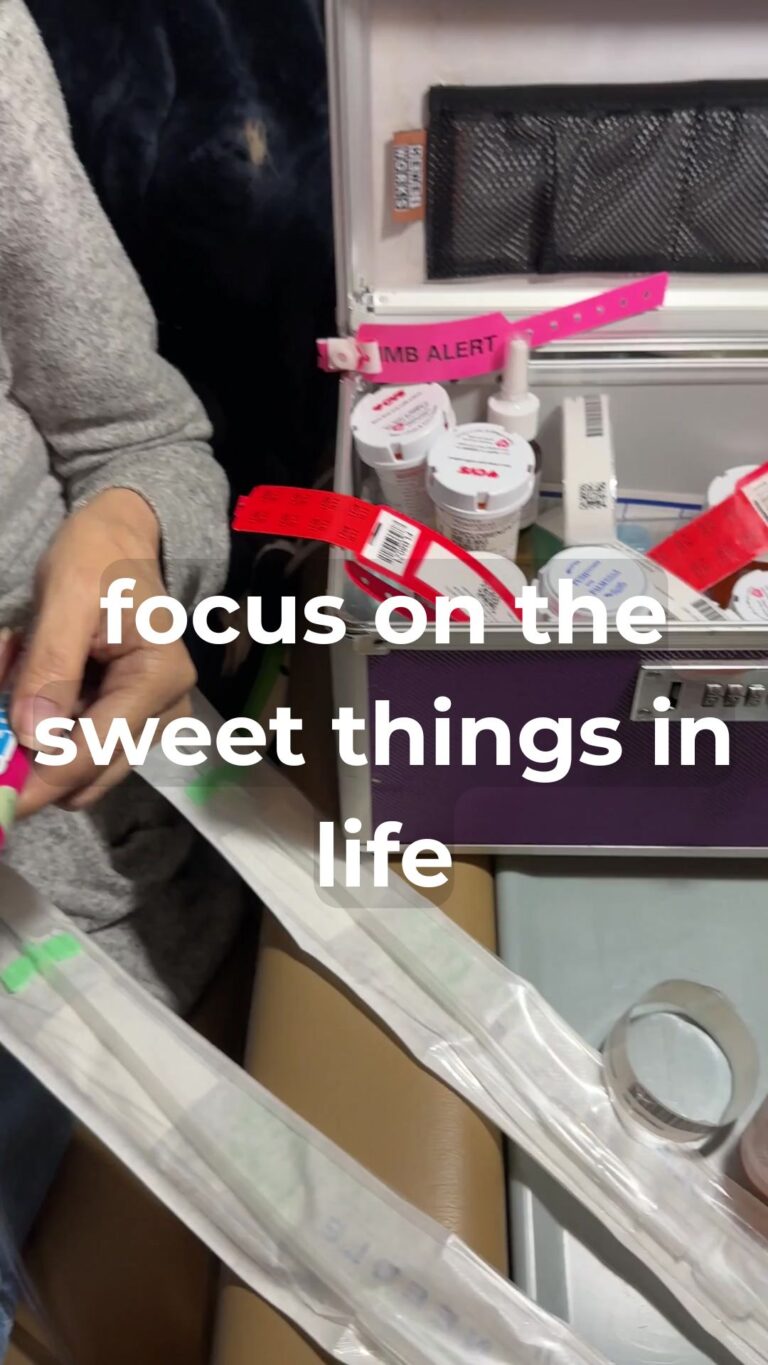
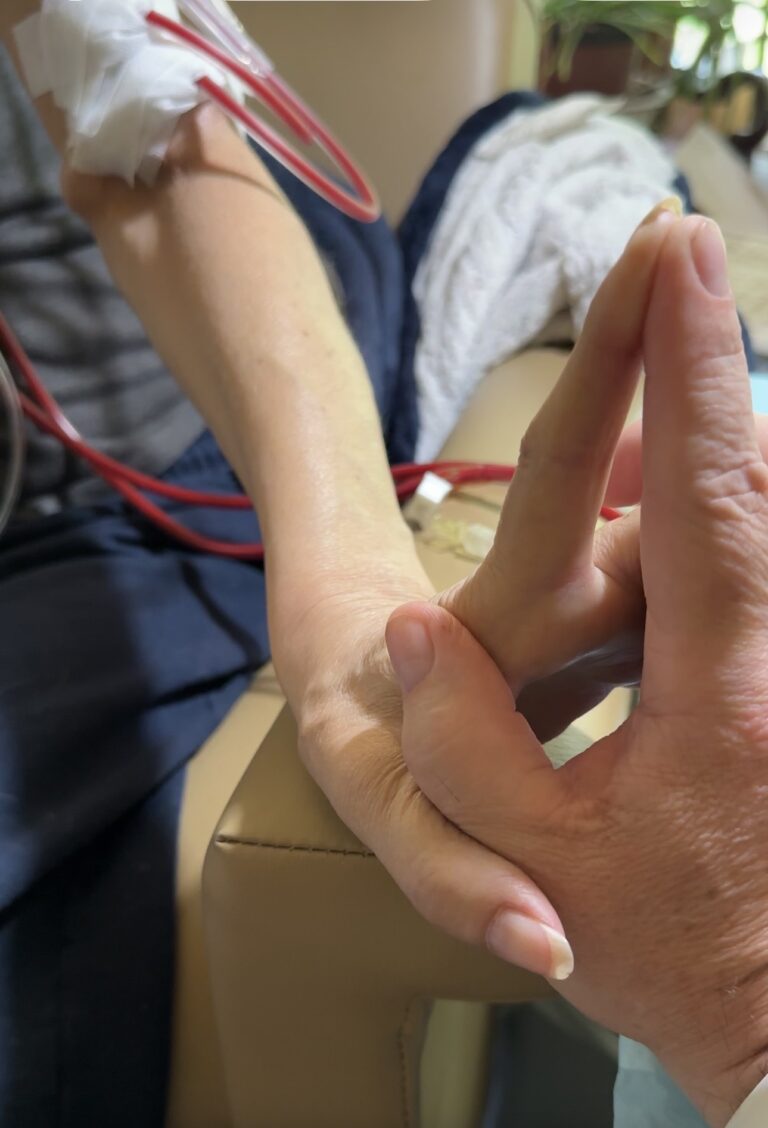
My wife Melody has two terminal conditions. One of them is MDS — Myelodysplastic Syndrome — which presents as severe anemia and has progressed to the point where she requires a blood transfusion every one to two weeks. Her oncologist knows this. Her oncologist planned for this. Her oncologist had the genuinely radical idea of scheduling the transfusions in advance — so that when the labs confirm what everyone already knows is coming, the blood is ready and waiting.
That idea, apparently, is against protocol.
We knew Monday this week was heading toward a transfusion. We went back Wednesday for labs. The oncologist called — urgent, go to the ED now, don’t wait. We went. Checked in at 1:00pm. Moved to a room around 4:00. Moved again at 7:00. Blood consent signed. More waiting. Two additional sets of labs ordered — because the cross-match from six hours earlier, in the same facility, was against protocol to use. The transfusion began at 1:00am.
Twelve hours in the ED for a scheduled, anticipated, recurring medical need.
Last week: Melody is fluid restricted — a standing clinical fact in her chart. They administered a full IV bolus anyway. That is not a paperwork error. That is a contraindicated treatment for her specific condition. The alarms ran for thirty minutes after the bag finished. No one came. When staff finally appeared, we were told she should have tracked someone down — in an ED so overwhelmed that patients on stretchers lined the hallways. The call button in that room didn’t work. We were apparently supposed to know that.
Also last week: she pushed for an oxygen assessment herself. They tested her. She left with supplemental oxygen — so at least that much was finally acknowledged.
This visit: she arrived already on oxygen, with her own tank because we had learned to bring a spare. The tank the hospital provided was nearly empty. Hours passed in the ED before she was able to get anyone’s attention about it. She was on active oxygen support, in their care, running out of air.
She has a port. Installed specifically because the infusion center had blown her veins so many times. Designated for chemotherapy and blood transfusions — exactly what she’s there for every single week. Not one person on shift was certified to use it. Stick after stick after stick.
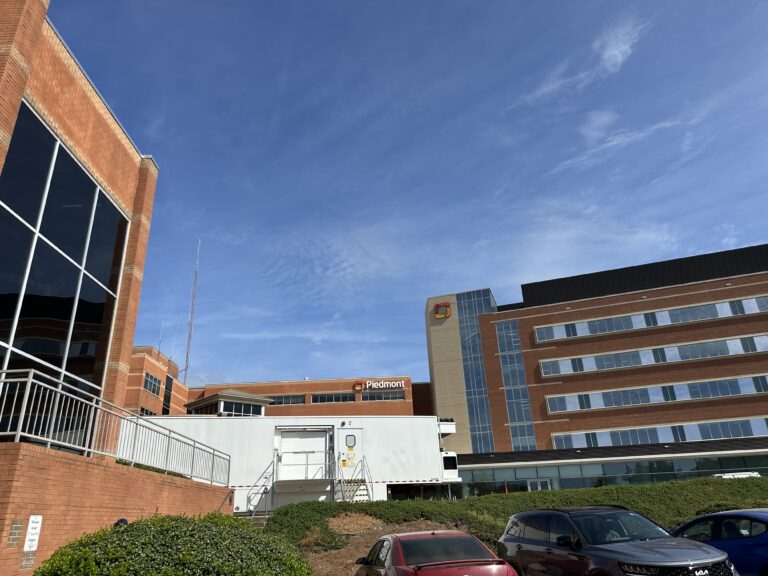
I want to be clear: I want Piedmont Henry to succeed. It is my community hospital. I want to brag about it. There are genuinely good people working inside that building.
But good people cannot fix a structural problem by themselves. A hospital system that grows by acquisition — absorbing facility after facility faster than it can build the infrastructure to support them — doesn’t get stronger. It gets unstable. Protocols multiply faster than training. Policies exist but can’t be produced on request. Type-and-screen valid for 24 hours last week is valid for six hours this week, depending on the floor and who you ask. Five health systems now control the majority of hospital care in this state. That consolidation has consequences, and sick people are absorbing them.
Sick people cannot advocate for themselves. That is the definition of being sick. They cannot chase the nurse about the oxygen. They cannot flag the contraindicated treatment in real time. They cannot absorb a twelve-hour ED visit as a minor inconvenience. They are getting sicker — and being handed a survey on the way out.
Melody’s oncologist is fighting for her. I am fighting for her. The system is not the enemy, but it is failing the people who need it most, and the gap between what it advertises and what it delivers is no longer something I can stay quiet about.
This is our community. These are our neighbors in those beds.
We can do better. We should demand better.
Best date ever.
— Paul